

Email templates for handling tricky client situations without making things worse
Working with an array of clients can be a wonderful part of running your business. When relationships are flourishing, client communications are often a joy. But what happens when you have a tricky customer?
We’ve all been there, typing, deleting, and rewriting an email in an attempt to resolve the situation in the best way. And when your business means everything to you, dealing with difficult clients can feel stressful and emotional.
To help lighten the load, we’ve got some advice on handling uncomfortable client communications and some email templates to help you phrase your replies in a confident, calm, and fair way.
What are the most common tricky client situations?
Whether you offer B2B services, D2C services, or make and sell products, there are a few common issues you may come across that require careful customer or client communication.
Late or missed payments: Delayed payments can be incredibly frustrating, especially for small businesses. Your cash flow may depend on receiving prompt income from your clients, but many of us find chasing payments awkward. It’s important to keep your email calm and to avoid an accusatory tone.
Scope creep: Setting out clear boundaries in a written contract is a wise move before starting any project. However, you may find that a client starts to ask more and more of you, gradually nudging those boundaries until you realise you’re doing far more than you initially intended.
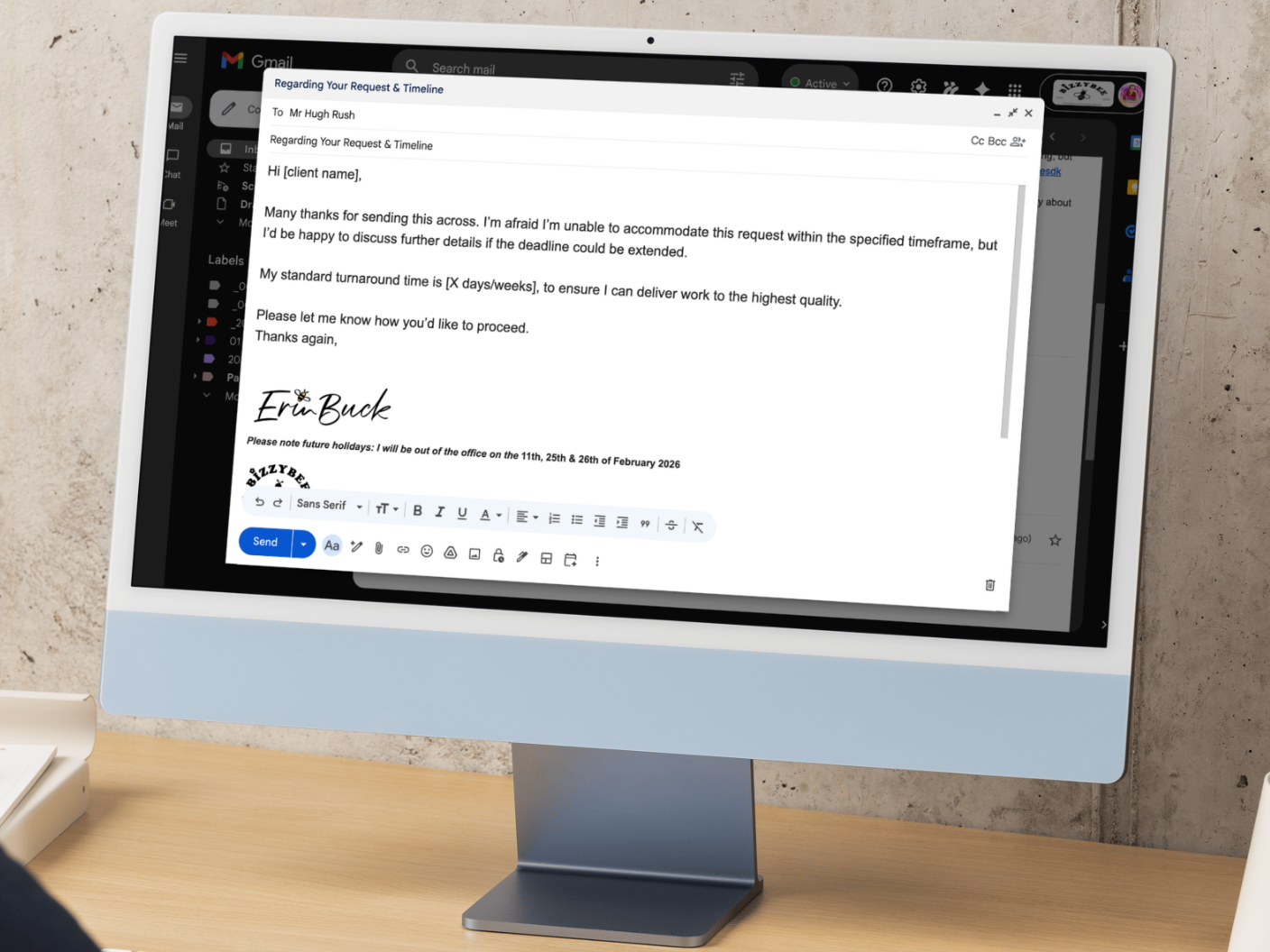
Known as ‘scope creep’, the client essentially asks for work outside of the agreed terms without adjusting time, deadlines, or fees. For example, you may be hired to build a website on a CMS, and the client asks if you can “quickly write some copy while you’re there”.Last-minute urgent requests: Sometimes, you’ll be happy to take on a last-minute request, but what about when you simply don’t have capacity? Knowing how and when to say no is an essential part of setting healthy, professional boundaries.
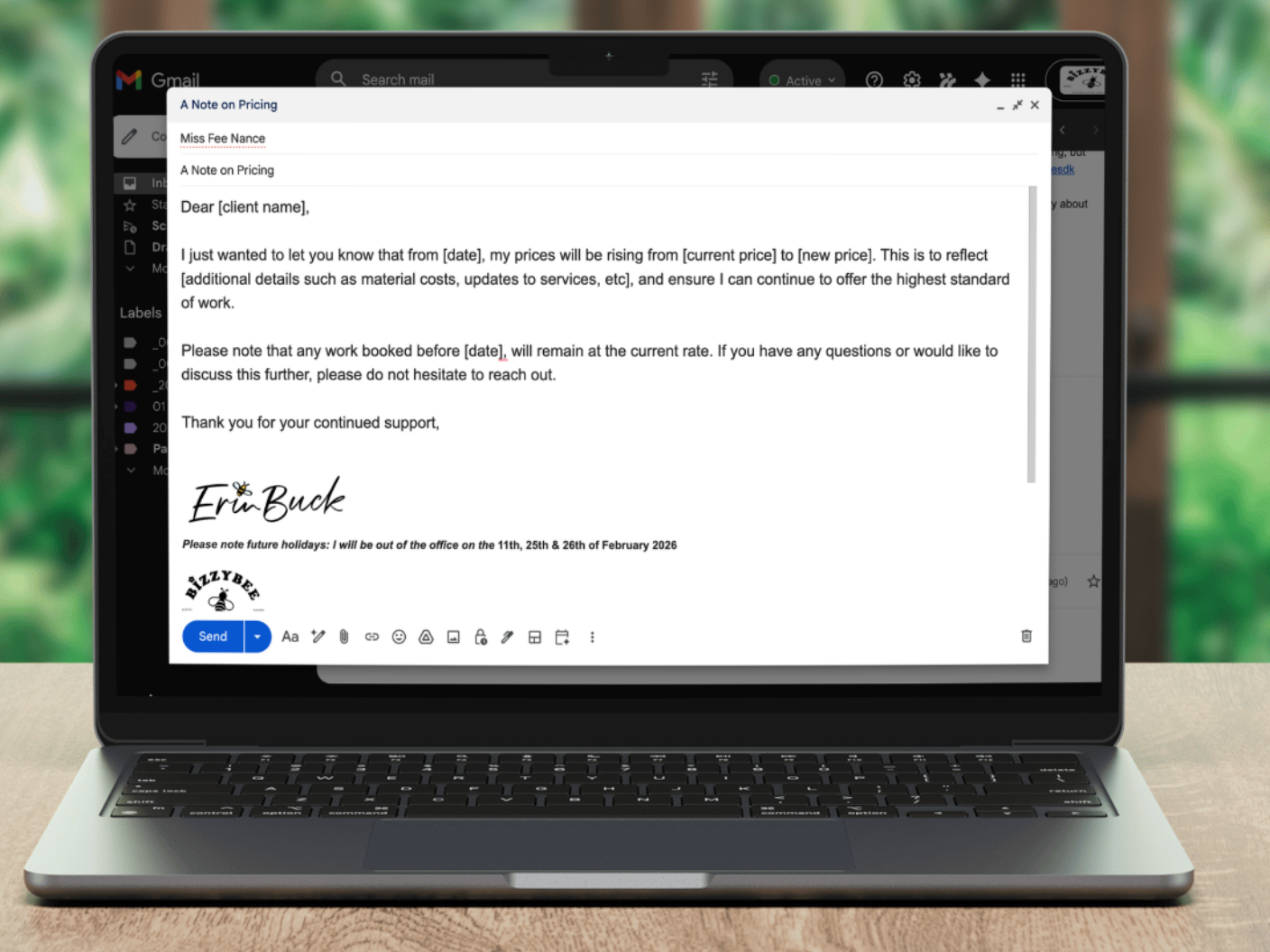
Raising your prices: Whether you’ve been underselling yourself, your overheads have increased, or you want to remain in line with the overall market, there will likely come a time when you need to let existing clients or customers know that your prices will be going up. This can be a scary prospect, and you may worry that you’ll lose some custom.
Dissatisfaction with the work or product: Sometimes, what you offer may not be quite what your client is looking for. It’s easy to take negative feedback to heart, but try not to feel too deflated. Try to read the feedback carefully and remain composed, no matter the tone of the complaint.
What to do before hitting send
It may be tempting to push the issue under the carpet and avoid tricky communication altogether. On the other hand, you might want to quickly type out an email in the heat of the moment and get your reply done and dusted. Here are a few areas to consider to handle the situation with care and professionalism:
Before crafting your response, take a moment to pause, especially if you’re feeling frustrated. Wait until you feel calm to ensure your reply is measured.
Keep your email factual, neutral, and kind, and try to avoid over-explaining or apologising unnecessarily.
Make sure anything you mention is in line with your previously discussed policies and agreements.
Read your message out loud — this helps give an idea of your tone, which can sometimes be misconstrued in writing.
Email templates for tricky client situations
Email templates provide a great starting point when you’re unsure how to communicate your point politely and professionally. We recommend using these professional client email templates as a base, then adapting them with your own tone of voice. This will ensure that the copy is tailored to both you and the individual client:
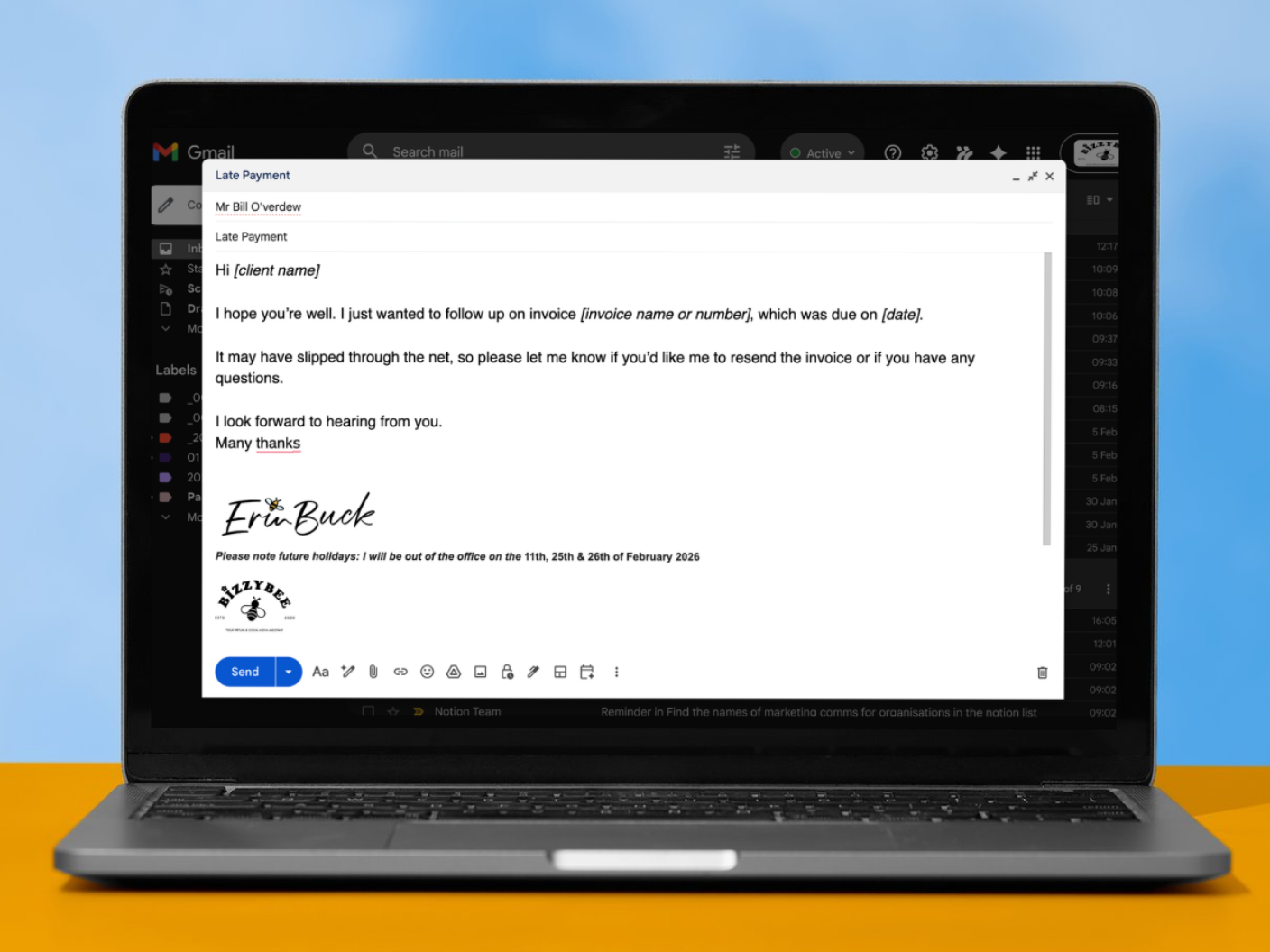
Addressing scope creep
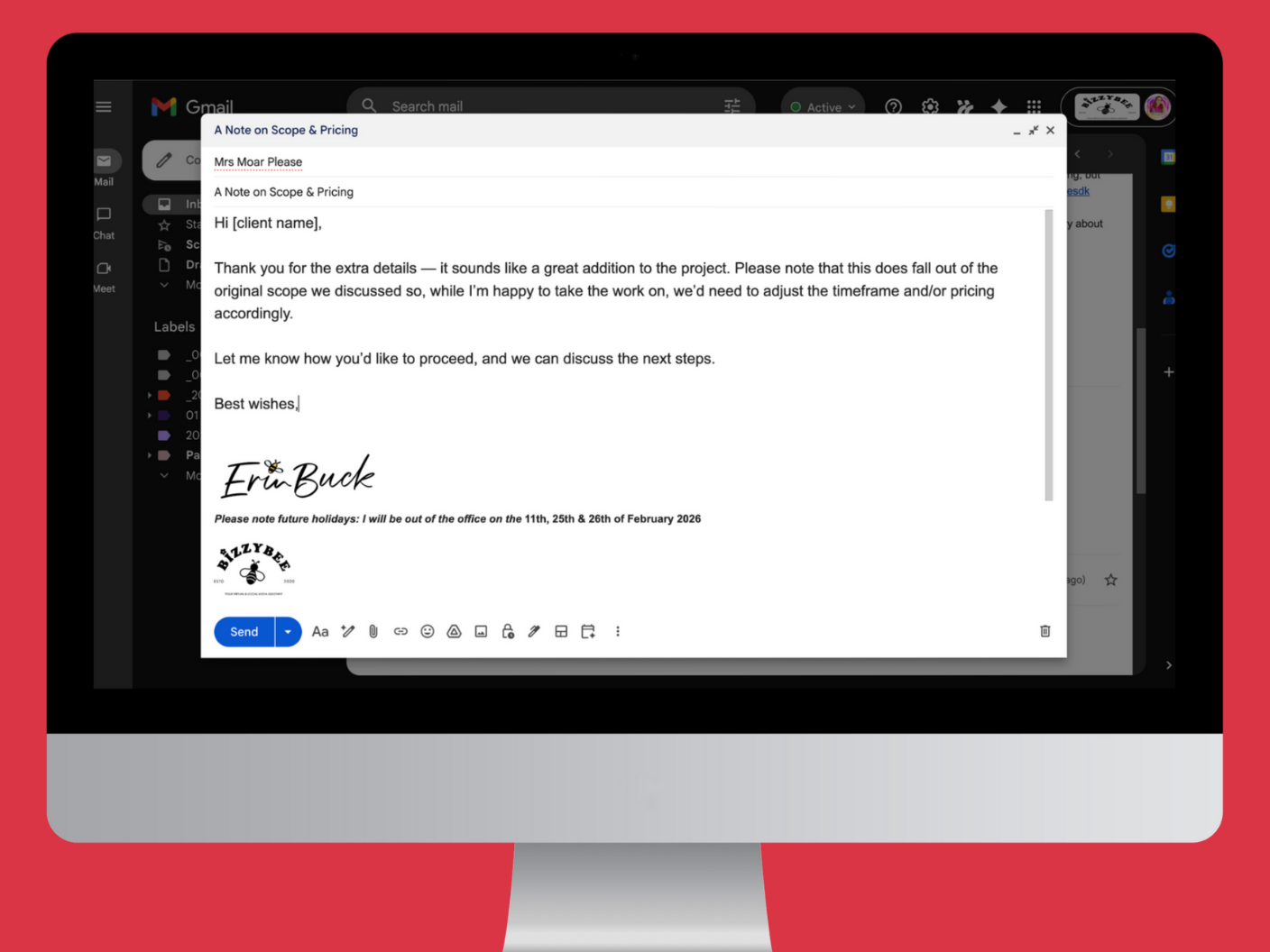
Setting boundaries around last-minute requests
Communicating a price rise
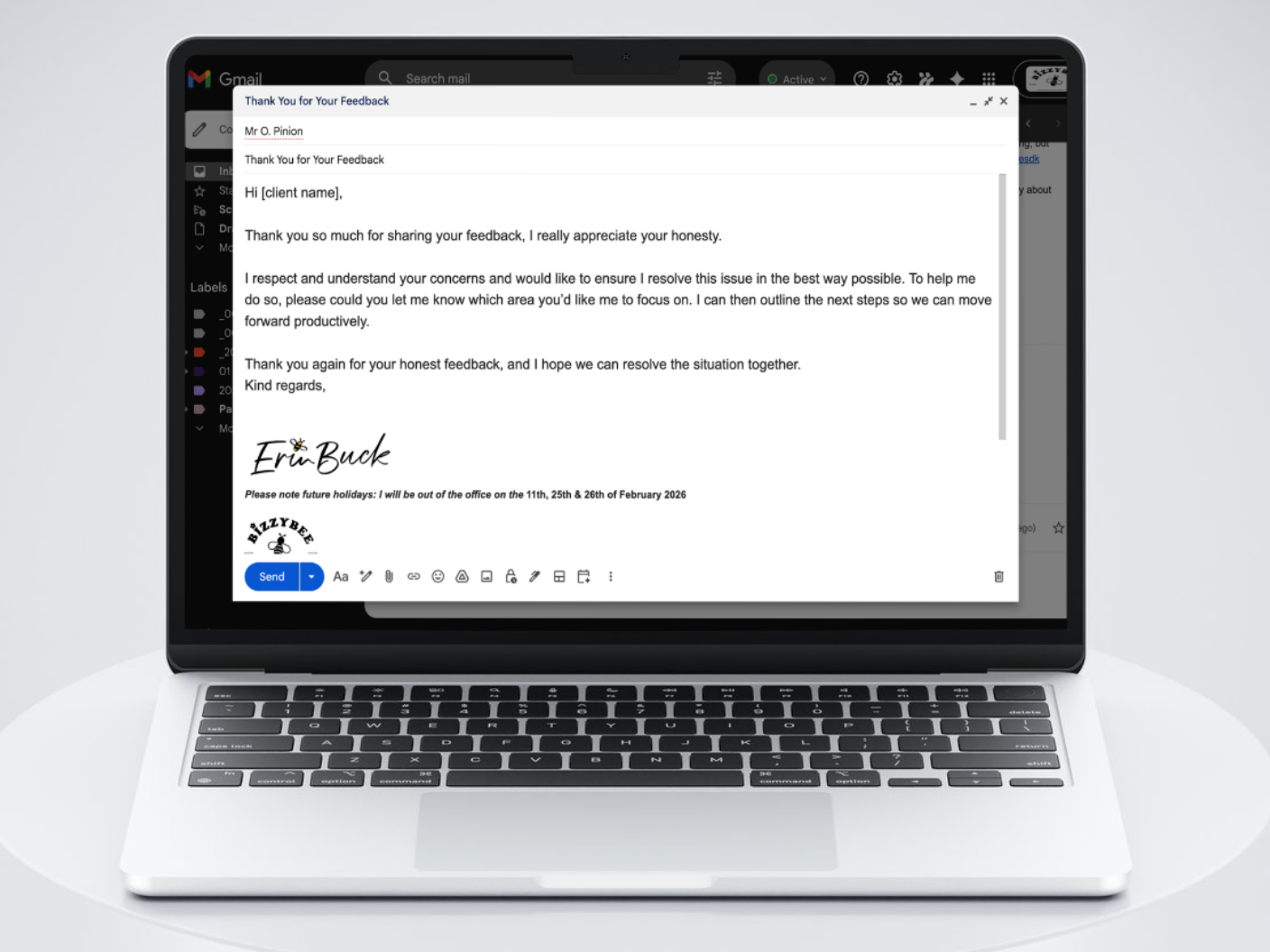
Responding to negative feedback
If you would like the email examples above in a downloadable sheet,
Get in touch for VA admin support for freelancers
Running your own business is equal parts demanding and rewarding. When juggling a variety of tasks, from finances to outreach, finding the capacity to deal with tricky clients can feel overwhelming.
This is where outsourcing to a virtual assistant (VA) can be really helpful. Whether you want to free up some general admin time so you can dedicate your attention to keeping those client relationships thriving or you don’t feel confident drafting tricky emails yourself, a VA can take the brunt of things for you.
Find out how delegating can lead to business growth. Explore Bizzybee's services, including Content Creation & Management, Email Management, and Neurodivergence in business support, or feel free to get in touch to have a chat.
