
Ten lessons I’ve learned from running a small business
Running a business is a bit like building a house while you’re already living in it. You know what I mean?
You start with a vision and a few tools, and before you know it, you’re trying to manage the plumbing, the electrics, broken furniture and all the interior design everyday and all at the same time.
As a Virtual Assistant supporting freelancers and creatives, I’ve often had front-row seats to the highs and lows of a running a business. I’ve seen what can make a business thrive and what can cause a founder to burn out, I have even done it to myself!
Whether you are a solopreneur or you have a small team, these ten lessons are the ones that I have personally learnt and that have made the biggest difference in my journey and the journeys of my clients.

1. Protecting Your Creative Energy
When you first start out, it’s natural to feel like you have to be involved in every tiny detail. However, trying to maintain that level of involvement as you grow can lead to a specific kind of exhaustion where your creative spark starts to dim. Your most valuable business asset isn't your output, it’s your energy.
My Practical Advice:
The Energy Audit: Keep a simple log for two days. Mark tasks with a (+) if they energise you and a (-) if they drain you. Look at your (-) list; these are the perfect tasks to consider outsourcing first.
2. Boundaries Are for You, Not Just Your Clients

Boundaries only work if you respect them yourself. It is easy to tell a client you don't work weekends, but if you are still replying to their "quick" Saturday afternoon email, you are teaching them that your boundaries are optional.
Your clients should know what your boundaries are, but most importantly, so should you.
Practical Advice:
Use Tech to Help: Set an "Out of Office" auto-responder for your weekends or use "Do Not Disturb" modes on your phone to physically prevent you from checking messages during your downtime.
3. Stepping Back to See the Big Picture
Being self-employed can be all-consuming.
When you are deep in the "doing" of your business, it’s easy to focus only on the next task or deadline. I’ve learned how vital it is to intentionally step back and look at how far you’ve come. Recognising your wins will help you keep your motivation.
Practical Advice:
The Monthly Review: On the last Friday of every month, take 30 minutes to write down three things you achieved. It could be a project completed, a new connection made, or even just mastering a new software.
4. Build Connections, Not Just Clients
These days, people can be tempted to treat every interaction as a transaction.
However, the most successful small businesses are built on a foundation of genuine human connection. When you focus on building a relationship rather than just closing a sale, you create a community of peoplewho grow to be your advocates.
Practical Advice:
The "No-Pitch" Coffee: Once a month, reach out to a peer or a former client just to check in and see how they are doing, with no intention of selling anything. Genuine connection often leads to the best referrals.
5. Working With Your Brain, Not Against It

There is a lot of talk about neurodivergence in the business world. While I don't personally view it as a "superpower," it certainly isn't a negative trait either, it’s simply a different way of processing the world.
Building a business that supports your natural way of thinking is the quickest path to sustainability.
Practical Advice:
Adjust Your Environment: If you struggle with focus, try "body doubling" (working alongside someone else, even virtually like at Freelancer Magazine or Being Freelance) or using a visual timer to help you stay on track without the pressure of a ticking clock.
6. The 20% Tax Rule
Few things cause more stress than a surprise tax bill at the end of the year. One of the most practical financial lessons I’ve implemented is treating my tax money as if it is already gone the moment it hits my account.
Practical Advice:
The Separate Pot: Set up a dedicated savings account or ‘space’. Most online banking allows you to do this now, specifically for tax. Every time you pay yourself your monthly wages, immediately move 20% into that pot so it’s out of sight and out of mind.
7. Systems Are Your Best Friend
If you find yourself performing the same task more than three times, you need a system for it. Systems aren't "too corporate"; they are the tools that provide you with the freedom to step away from your desk.
Practical Advice:
Template Your Emails: Review your "Sent" folder and find the emails you write most often (onboarding, pricing, FAQs). Save these as templates or "canned responses" in your email provider to save hours every week.
8. Email Management Is Your Friend
Your inbox can be a source of constant low-level anxiety. Managing your email is actually about managing your mental bandwidth. When you treat your inbox as a tool rather than a taskmaster, you regain control over your schedule.
Practical Advice:
Batch Your Inbox: Instead of reacting to every notification, set two or three specific times a day to check and reply to emails. Close the tab in between those times to allow for deep, focused work.
9. The Power of "Done Over Perfect"
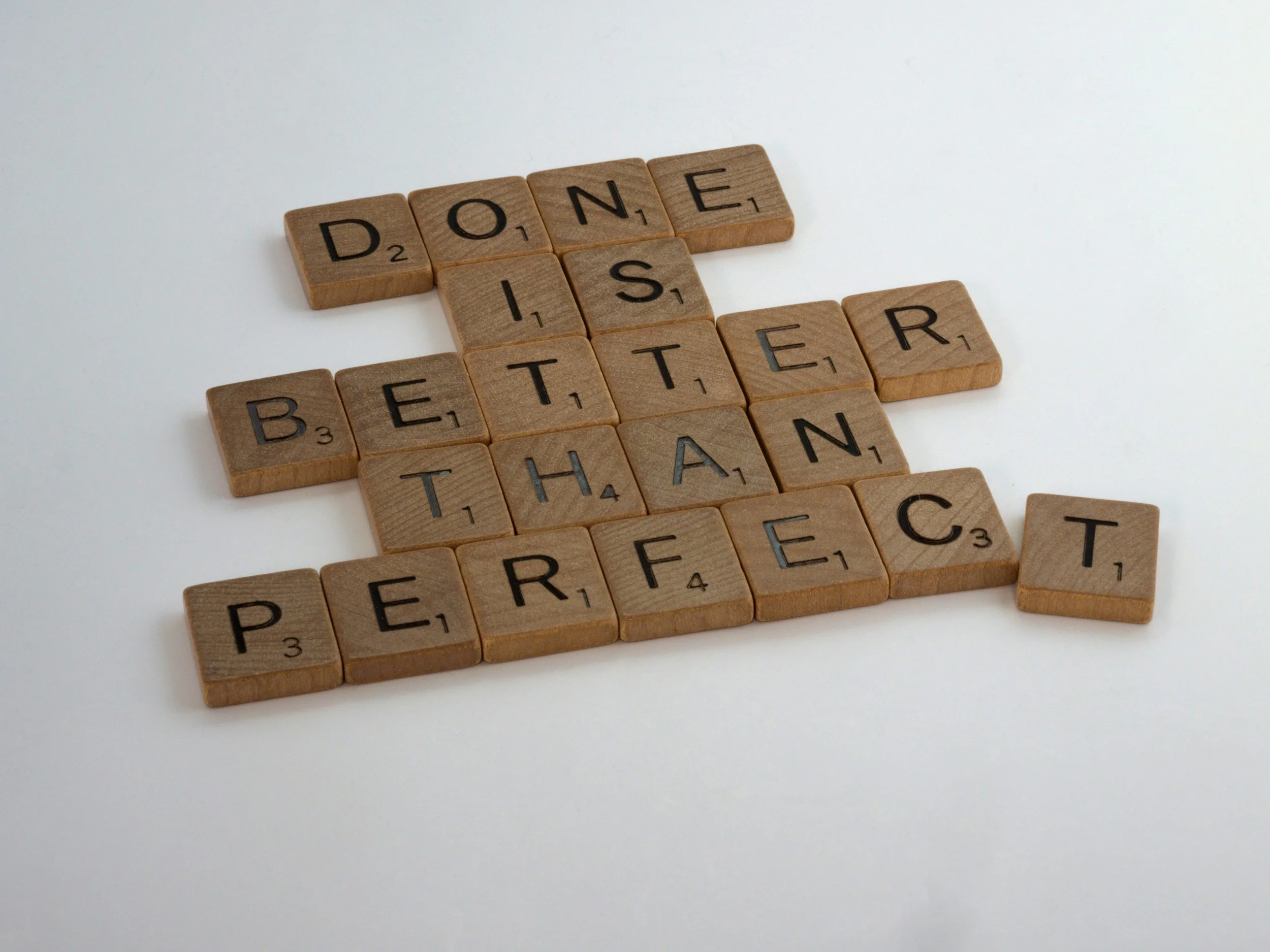
Perfectionism is a silent killer of small businesses. It leads to procrastination and missed opportunities. The market rewards those who show up and provide value, not those who wait until everything is flawless.
Practical Advice:
Set a "Ship It" Timer: Give yourself a strict time limit for tasks that trigger perfectionism, like writing a social media post. When the timer goes off, you have to hit "publish" or "send" regardless of how you feel.
10. You Need a Community
Solopreneurship can be lonely, and trying to carry the weight of every decision alone is exhausting. Surrounding yourself with other small business owners who "get it" is vital and there are so many to choose from out there.
Practical Advice:
Join a Peer Group: Find a local networking group, an online community, or a mastermind that focuses on support rather than just selling. Having a safe space to vent and brainstorm is a game-changer.
If you found these tips helpful and want to see more practical advice on business organisation, neurodivergent-friendly workflows, and finding balance as a creative, I’d love to stay connected. I share regular insights and "behind-the-scenes" peeks into how I manage the juggle over on my social channels and through my newsletter.
Come say hello on Instagram or Linkedin or you can even sign up for my monthly newsletter to get a dose of BizzyBee delivered straight to your inbox!
